
Our team
Who We Are
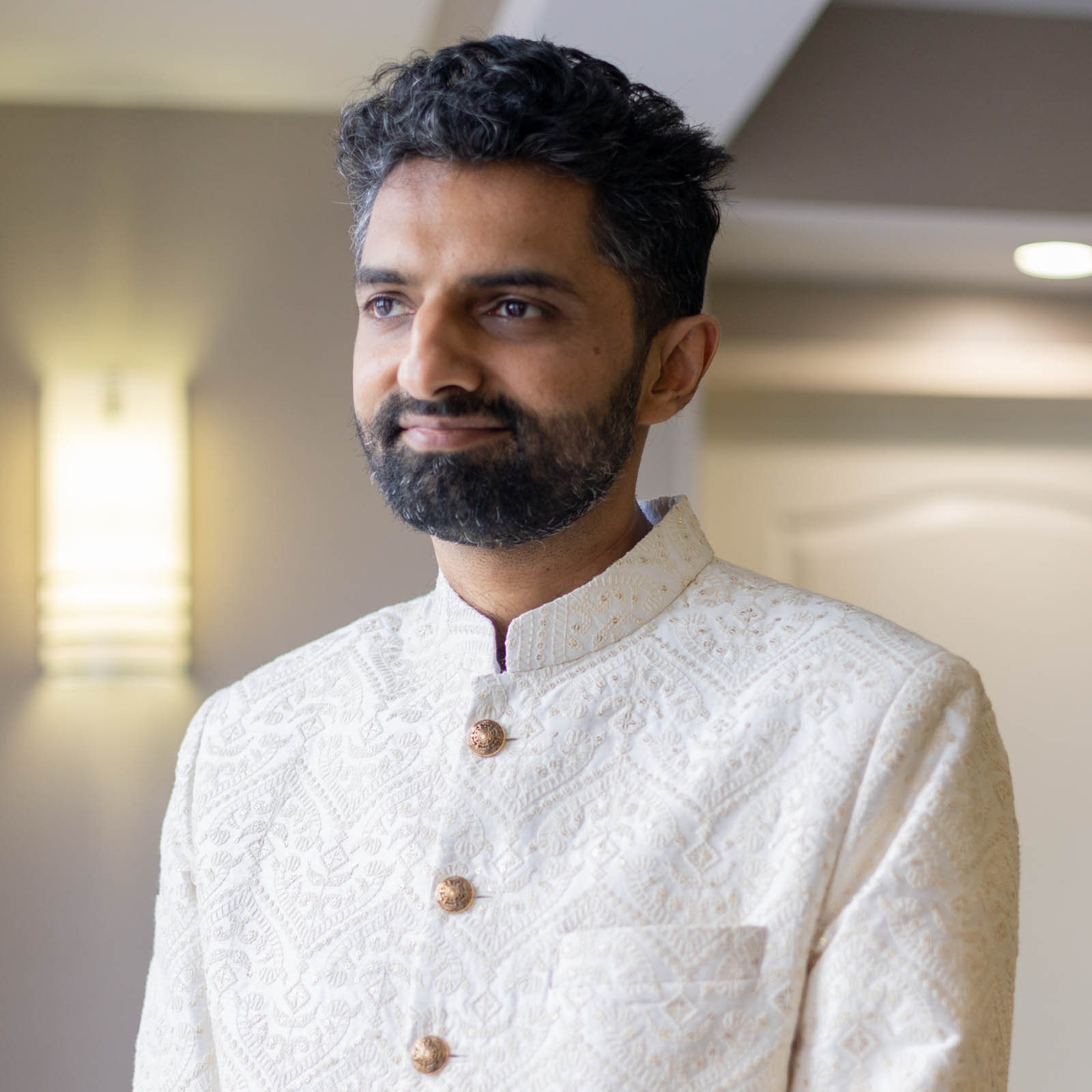
Zishan Jiwani
Zishan is PhD student in the Department of Counseling Psychology working with Dr. Simon Goldberg. His primary research interests involve understanding the social determinants of meditation access and utilization. In other words, why do some individuals choose to engage with meditation whereas others don’t. Additionally, Zishan is interested in understanding how other factors such as motivation for meditation practice or type of meditation practice influences engagement and outcomes related to meditation. He has also served as a Teaching Assistant for the Art and Science of Human Flourishing Course. Prior to his engagement with research, Zishan worked in international development in East Africa and India. He is committed to social justice and equity and aims to bring that perspective to his work at the PCS lab.
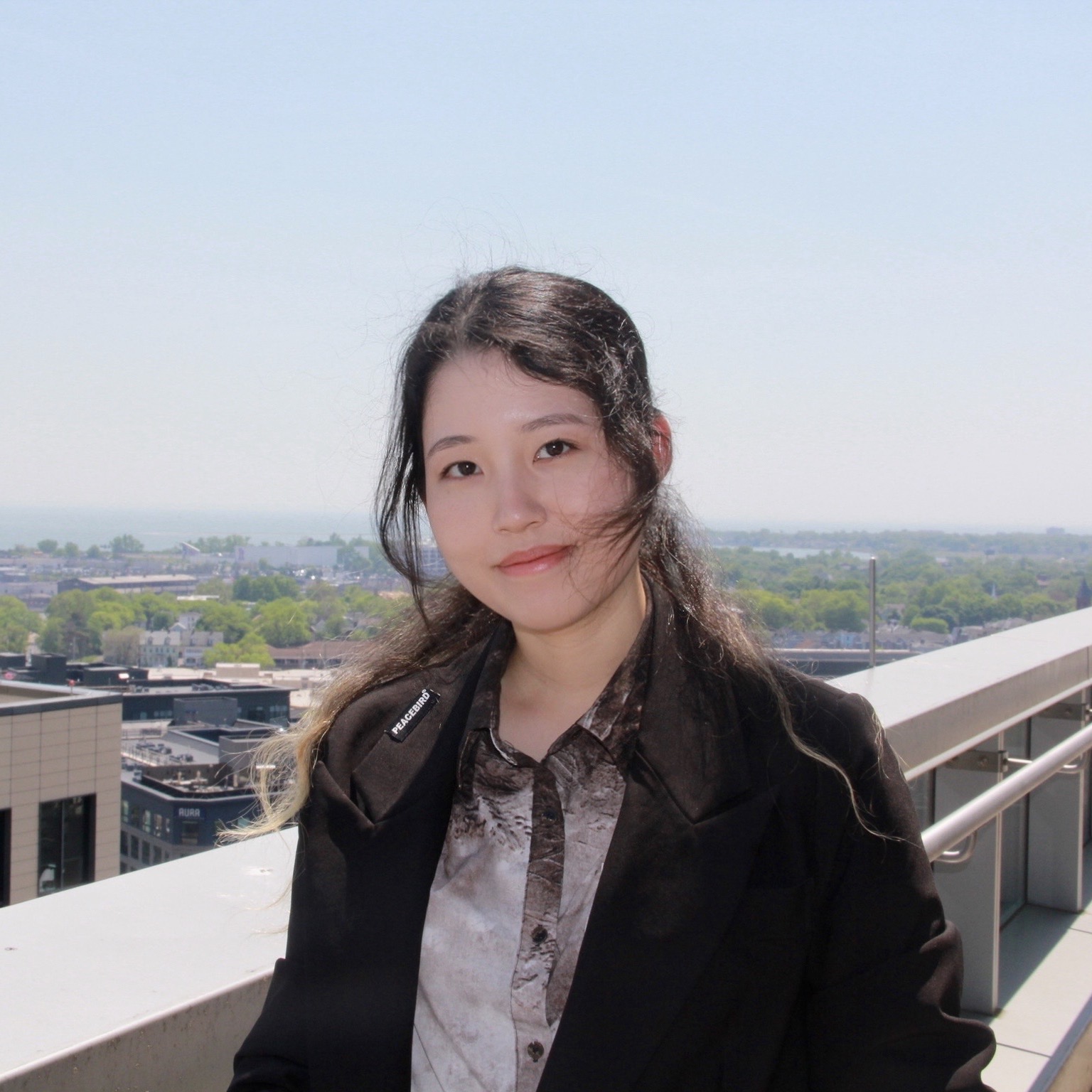
Ella Yang
Ella Yang is a PhD student in the Department of Counseling Psychology working with Dr. Simon Goldberg. She earned her BA in Psychology and Anthropology from the University of Pennsylvania. Ella’s research broadly focuses on understanding for whom and why evidence-based psychological interventions work. She is particularly interested in identifying mechanisms that influence treatment engagement and outcomes, including dose-response patterns and cultural and contextual factors. She hopes to use mechanism-focused research to inform the development, adaptation, and implementation of digital interventions leveraging emerging technologies that are effective, accessible, and scalable across diverse communities.
Prior to graduate school, Ella conducted research on culturally adapted, community-delivered mind-body interventions for older adults and psychotherapy processes in cognitive behavioral therapy. She also coordinated clinical research with individuals experiencing depression, opioid use disorder, and PTSD.
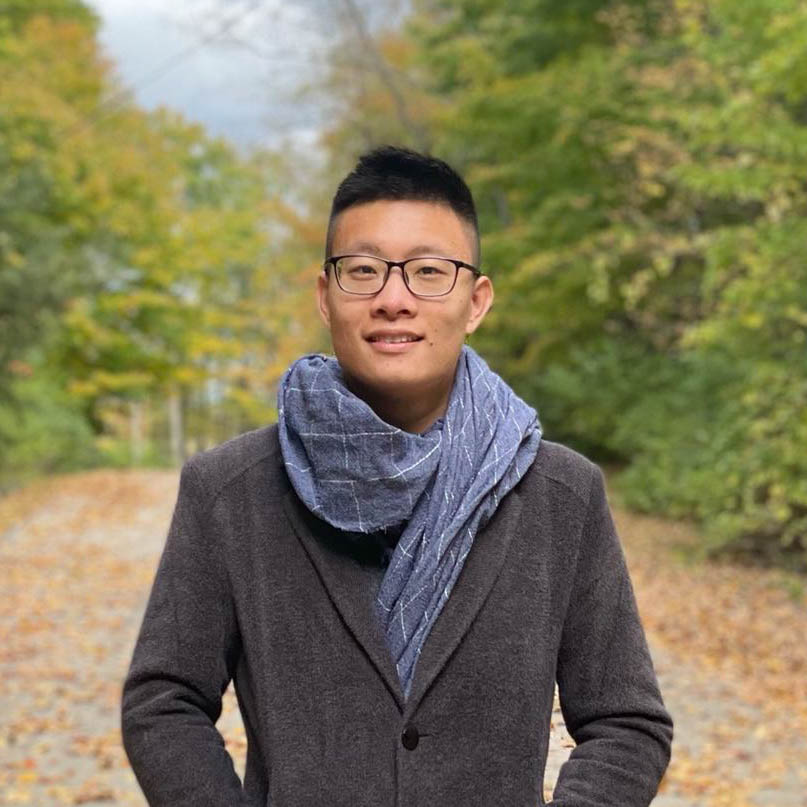
Qiang Xie
Qiang Xie (he/him/his) is a PhD student in the Department of Counseling Psychology and a research assistant at the Center for Healthy Minds and PCS Lab. Before starting his PhD, Qiang got a bachelor’s degree in Engineering at Wuhan University and master’s degree in Psychology at Beijing Normal University. As a psychological scientist in training, Qiang is strongly interested in investigating the mechanisms of meditation-based interventions (MBIs) and developing and improving MBIs through the study of mechanisms. He is also fascinated by the development and improvement of technology-delivered interventions (e.g., ecological momentary interventions, just-in-time adaptive interventions) as these interventions may provide affordable, personalized, and accessible mental health care. Qiang has published several scientific articles in peer-reviewed journals (e.g., Current Psychiatry Reports) centered around these research interests. Please visit his ResearchGate profile or Google Scholar profile for more information about his published work. In his free time, Qiang enjoys spending time with friends. He is a big fan of camping, hiking, tennis, pickleball, table tennis, and movies.
Lily Smith
Lily is a doctoral student in the Department of Counseling Psychology and a Research Assistant at the Center for Healthy Minds.
Lily’s work and interest lie in several areas of research: methods to increase the efficacy of meditation-based interventions, such the use of personalization and coaching to improve outcomes; the interplay between psychedelic-assisted therapy and meditation, including how the two may mutually support each other in clinical settings; how meditation-based interventions may support flourishing in interpersonal relationships.
Lily has been practicing meditation for over a decade and spent 3.5 years living at the Cambridge Zen Center in Cambridge, MA, where she ran meditation groups for young adult meditators and incarcerated women at a correctional facility. Lily is also a certified teacher and trainer at Unified Mindfulness, where she has completed 420 hours of mindfulness coach training and served a variety of roles, including co-facilitating meditation retreats and leading mindfulness workshops.
Prior to attending graduate school, Lily worked in basic neuroscience research and on clinical trials of psychedelic-assisted therapy.
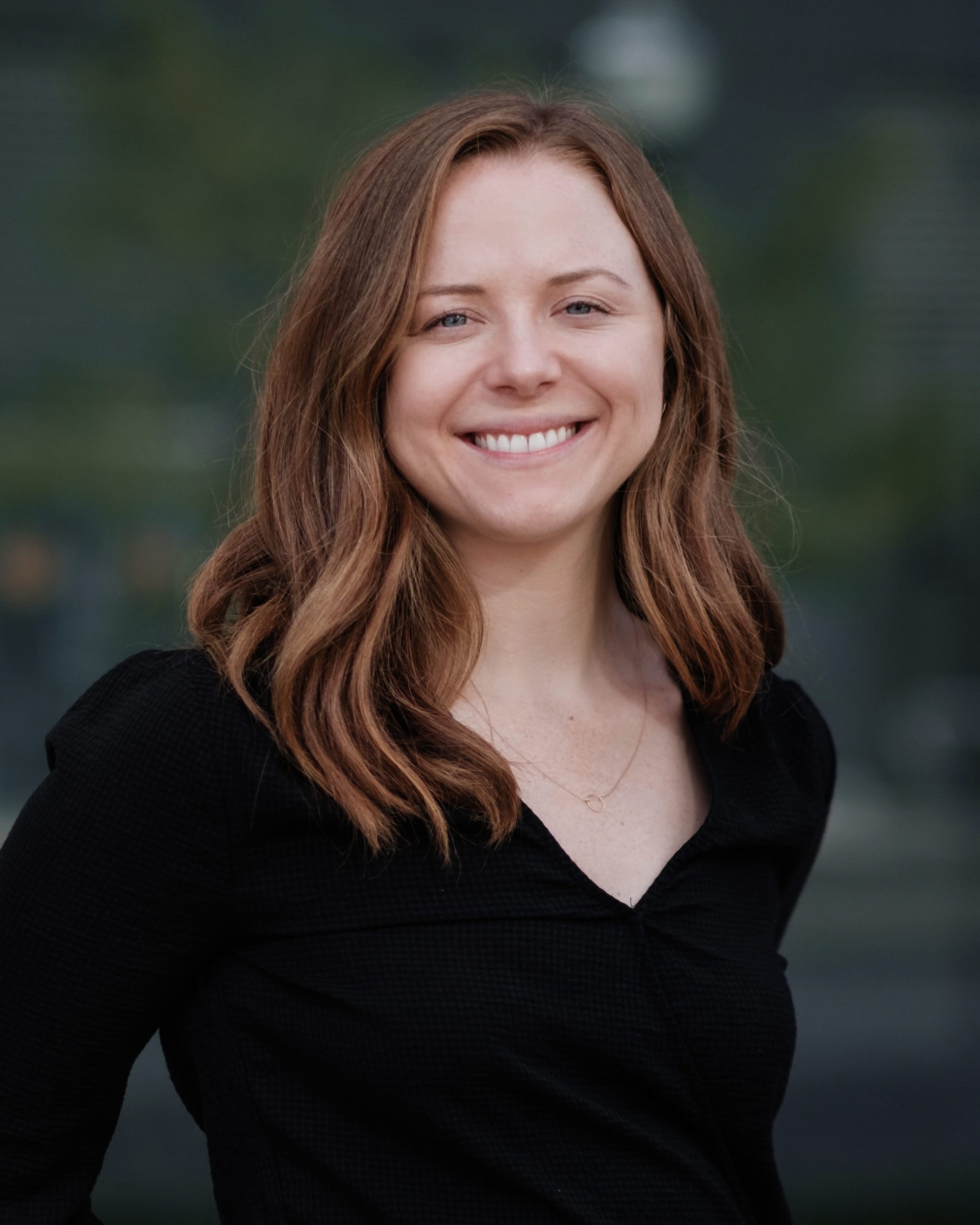
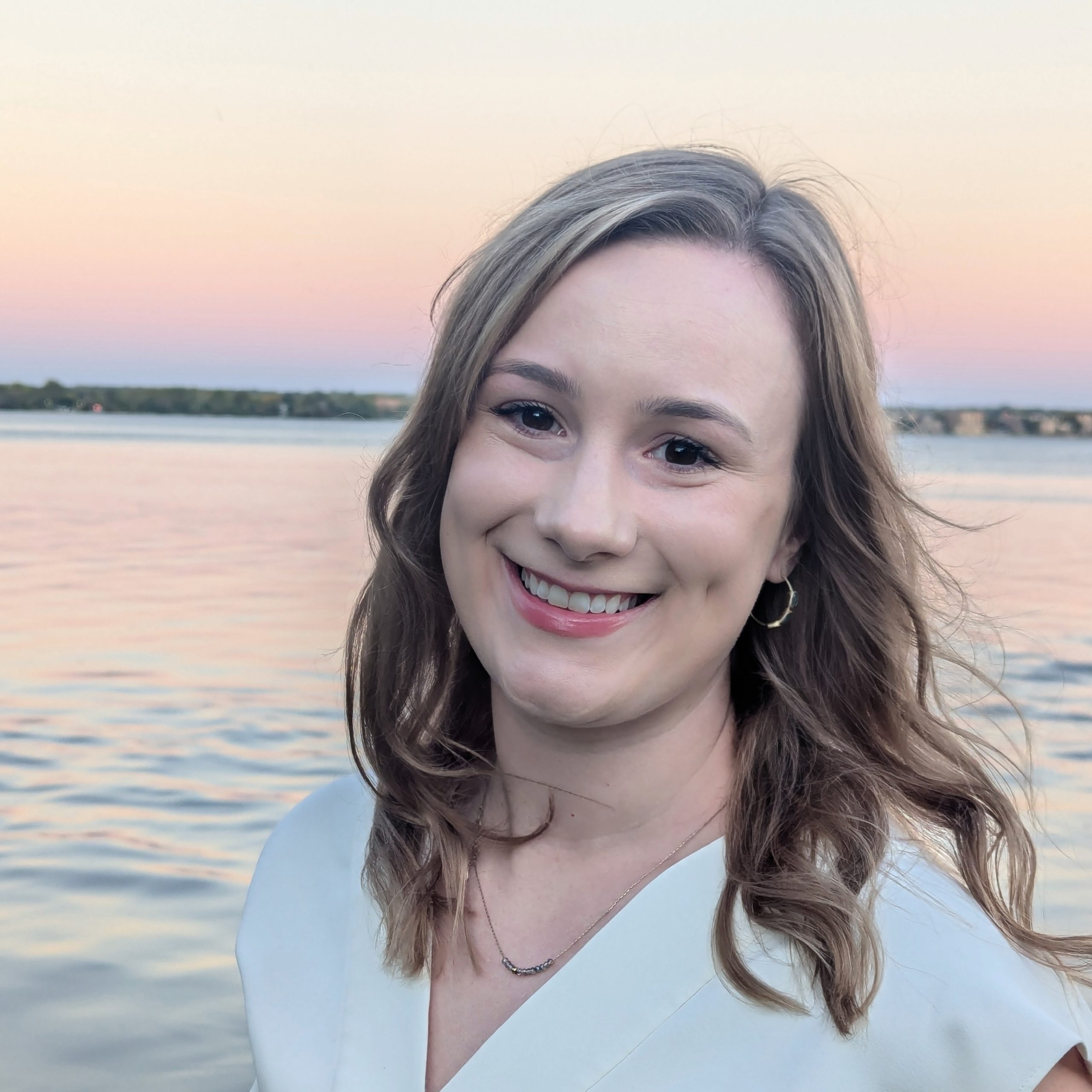
Caroline Swords
Caroline is a PhD student in the Department of Counseling Psychology and a current Emotion Research Fellow at the Center for Healthy Minds under the mentorship of Dr. Simon Goldberg. Prior to beginning her PhD, she earned her BA in Neuroscience and Psychology from Lawrence University. Post-graduation, she assisted in the coordination of two randomized controlled trials of smartphone-delivered meditation-based interventions, solidifying her passion for research in this area.
Broadly, her research focuses on understanding factors that cause and maintain emotion dysregulation in internalizing disorders, such as anxiety and depression, and clarifying mechanisms through which meditation-based interventions improve emotion regulation and mitigate internalizing symptoms. She is interested in digital technology, both as a tool to study psychopathology within an ecologically valid context and as a means to deliver interventions that are effective, personalized, and accessible.
In addition to her research, she is passionate about providing co-mentorship to undergraduate research assistants in the PCS Lab.
Lab Director
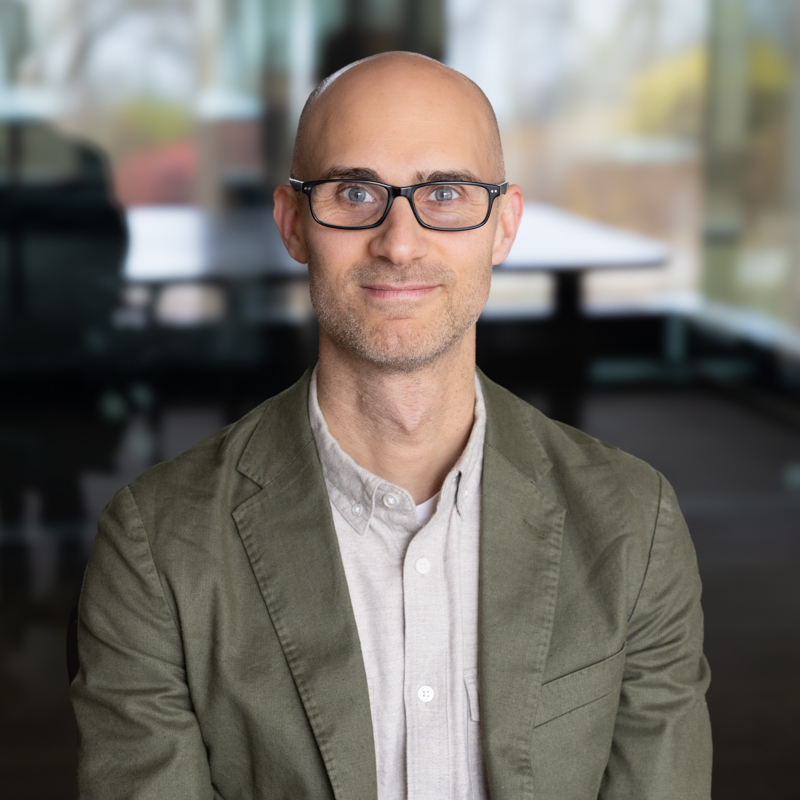
Simon Goldberg
Simon Goldberg is a licensed psychologist, Kellner Family Distinguished Chair in Education and Well-Being, and Associate Professor in the Department of Counseling Psychology at the University of Wisconsin – Madison. He conducts research on psychotherapy, with a specific emphasis on the effects of and mechanisms underlying meditation- and mindfulness-based interventions. He is Core Faculty at the Center for Healthy Minds.
Simon completed his BA in sociology at Tufts University in Medford, MA, his PhD in counseling psychology at UW–Madison, his predoctoral internship at the VA Puget Sound, and his postdoctoral fellowship at the VA Puget Sound and the University of Washington. His NIH-funded work has primarily focused on the delivery of meditation training through mobile health technology and the use of research synthesis methods (e.g., meta-analysis) to evaluate meditation-based interventions. He has clinical experience working with military veterans and has conducted research on veteran mental health. He has served on the editorial board for the Journal of Counseling Psychology, Psychotherapy, Psychotherapy Research, and the American Psychologist.
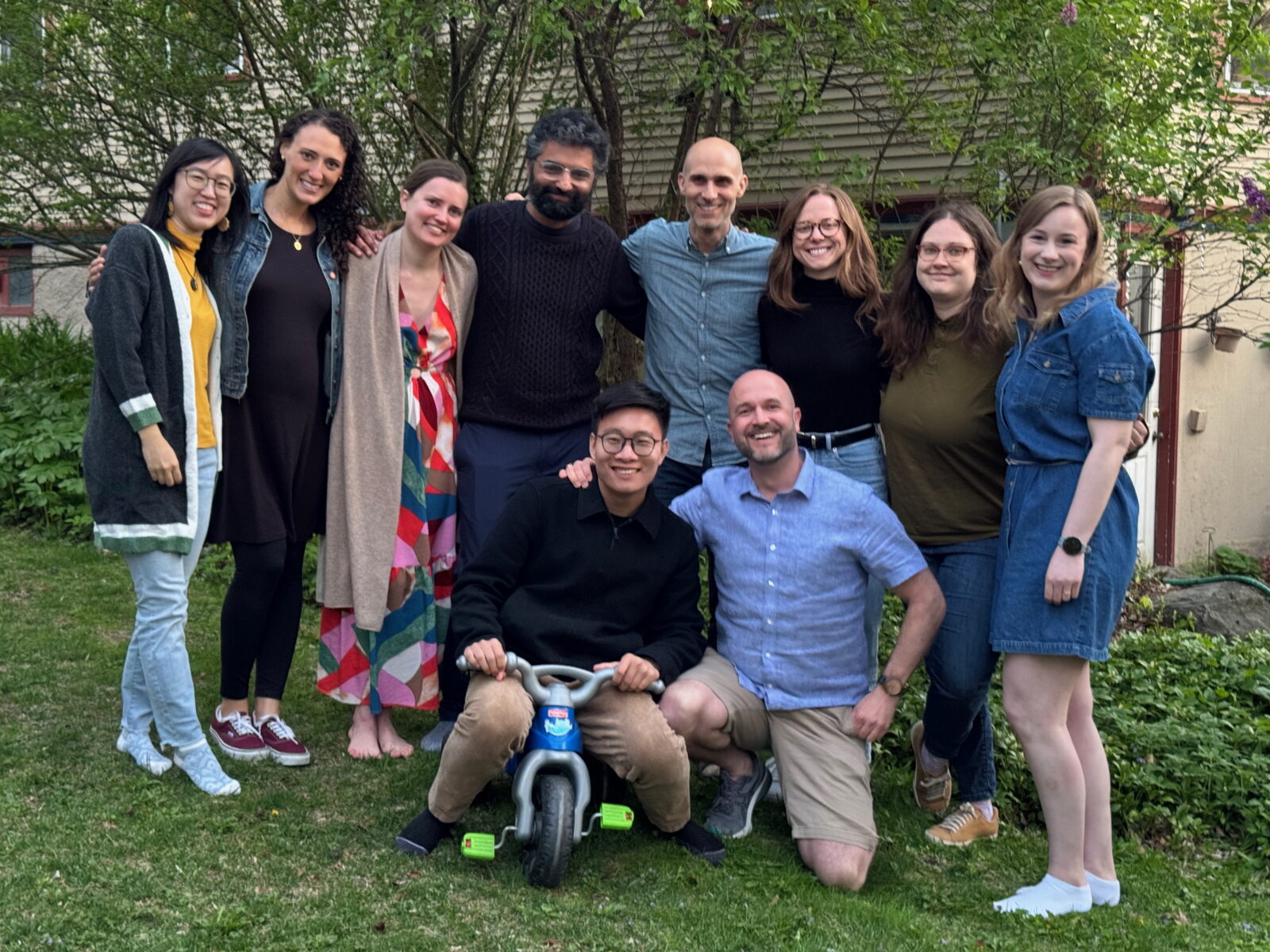
Lab graduation party
Graduation party celebrating two soon-to-be PhDs!
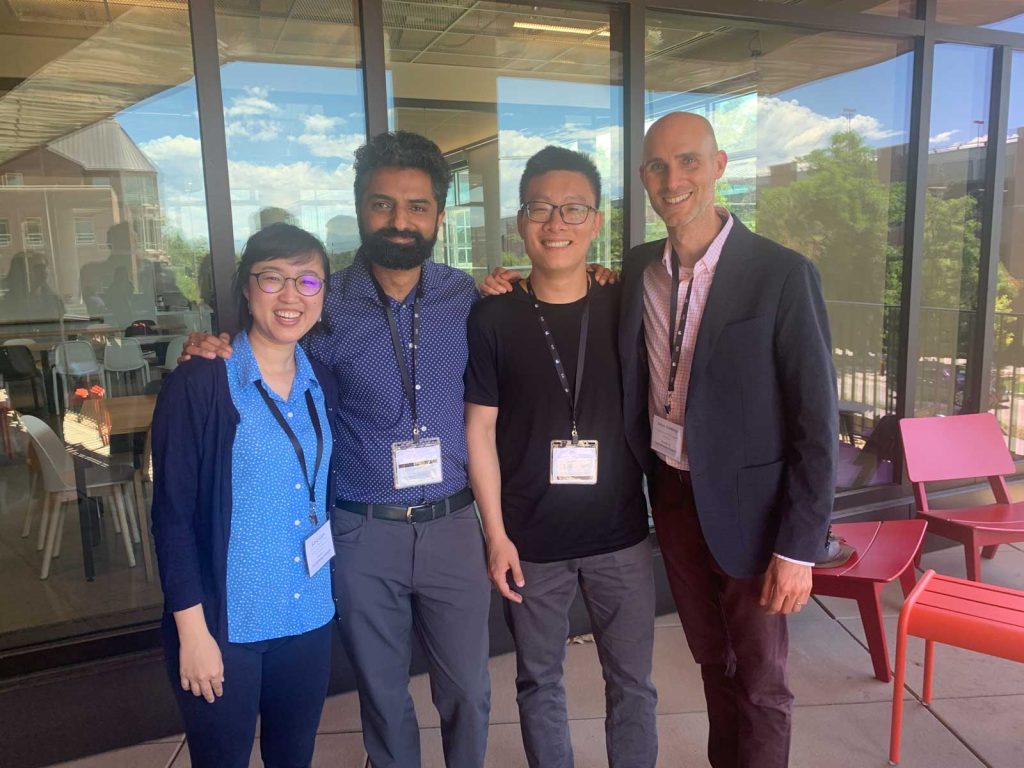
Lab at SPR
Lab at Society for Psychotherapy Research meeting in Denver, CO
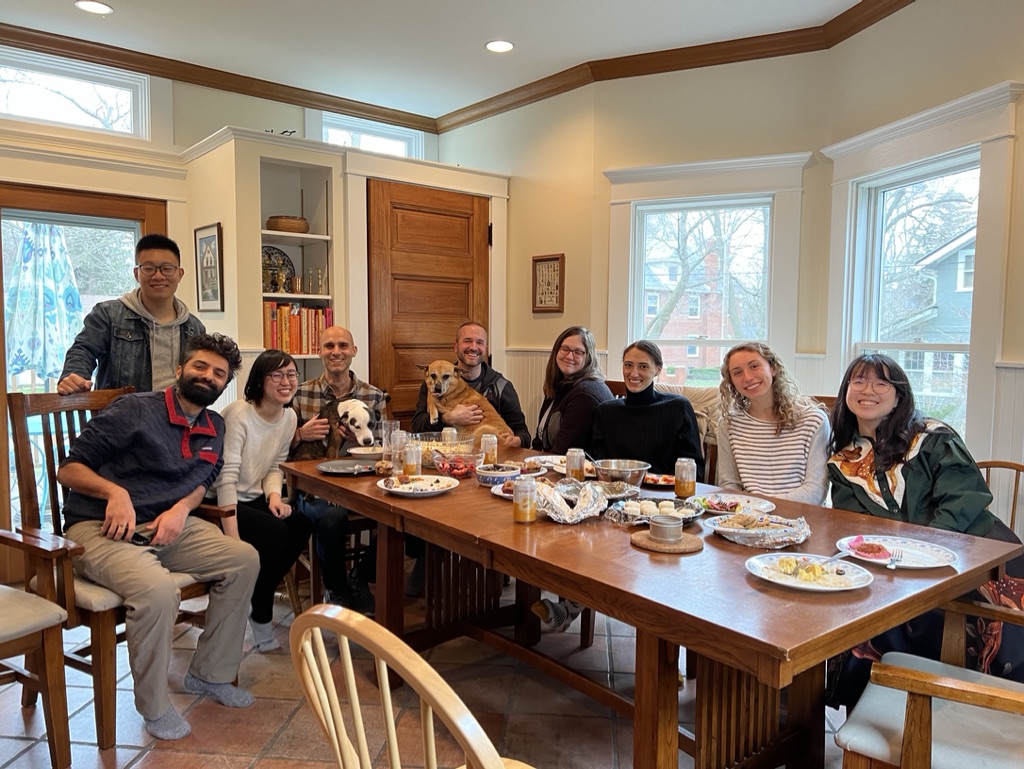
Lab lunch gathering
Gathering with lab members and four-legged friends in Madison, WI
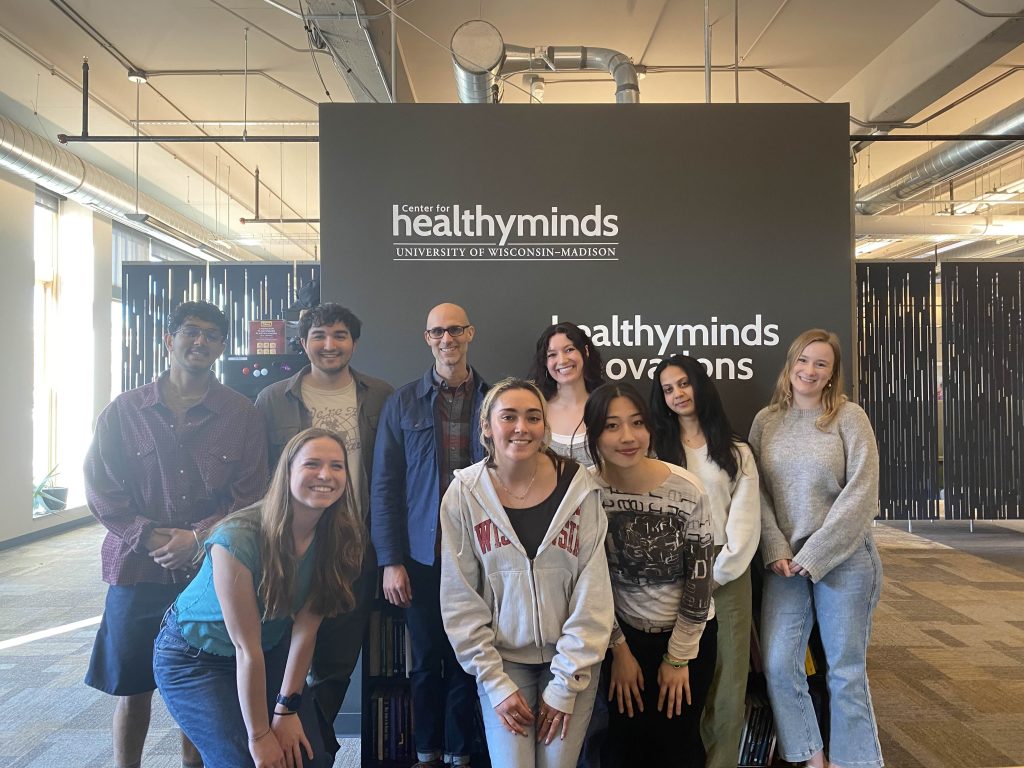
Undergrad RAs at CHM
Amazing team of undergraduate research assistants at the Center for Healthy Minds.
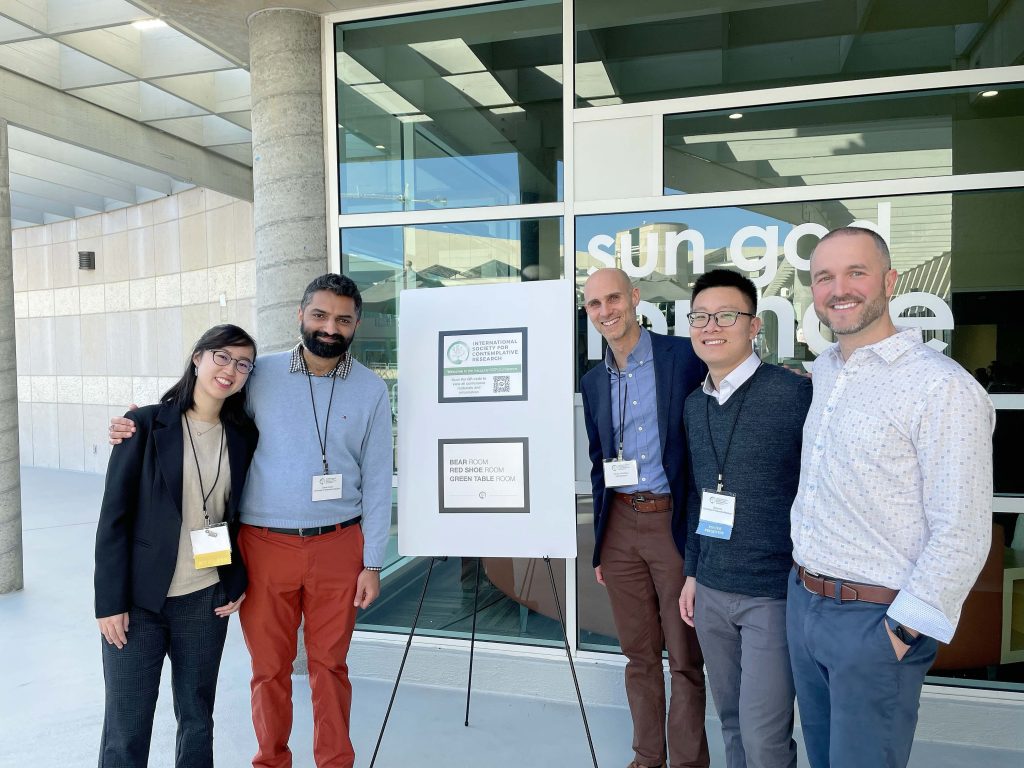
Presenting at ISCR
Lab presentation at the International Society for Contemplative Research meeting in San Diego, CA.